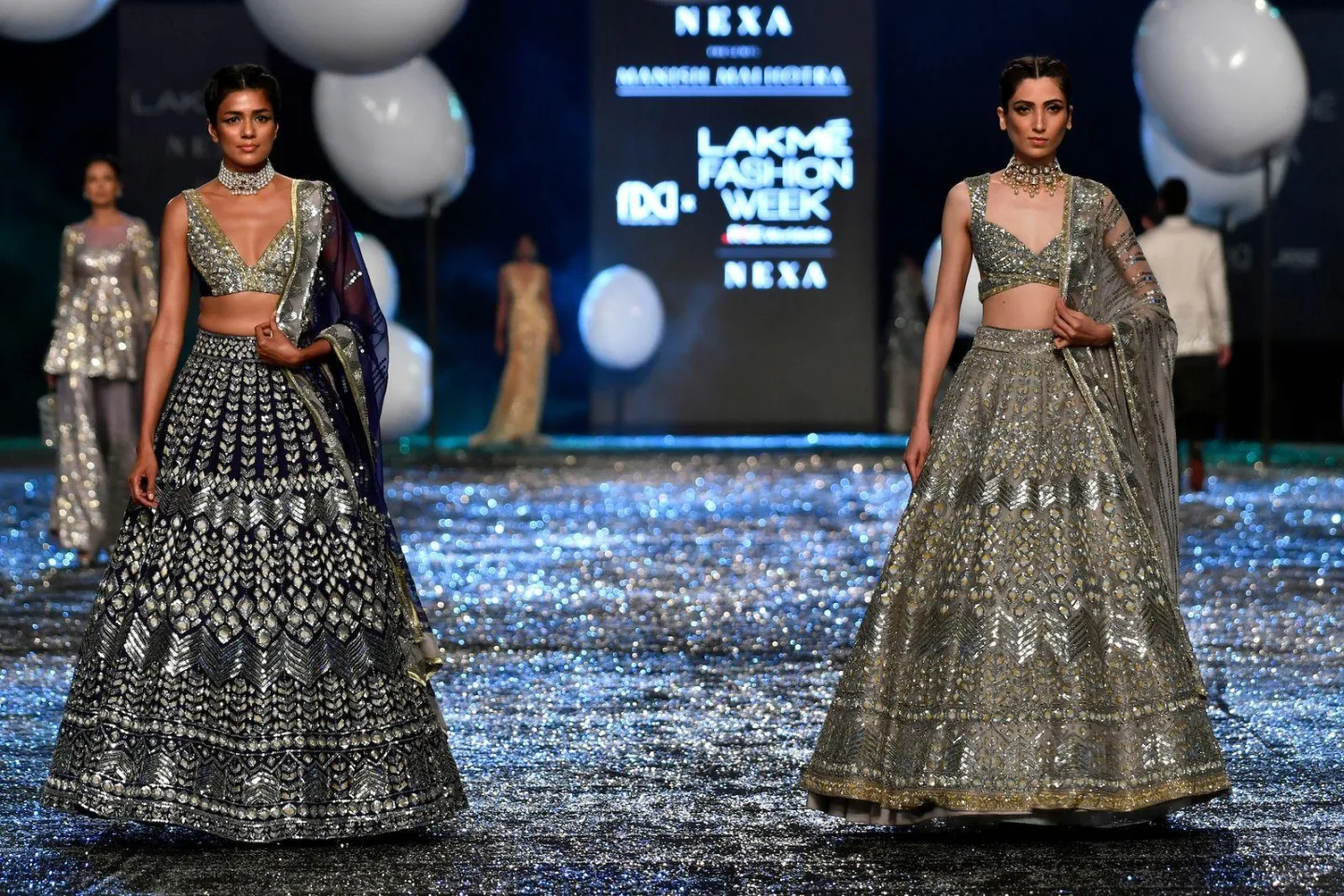
By Merie Medici
| Fashion & Culture
Paris may still command fashion's
historic prestige, but a new generation of creative capitals is reshaping the
industry's future. From Dubai's international luxury marketplace to Seoul's
culture-driven style economy and Mumbai's couture craftsmanship, the next
chapter of fashion will be written in more than one language.
For generations, Paris was the city fashion aspired to
conquer. Its elegant avenues, historic maisons and legendary couture ateliers
established a language of luxury that the rest of the world learned to speak.
To be recognized in Paris was to be taken seriously; to succeed there was to
enter fashion's inner circle.
But what happens when the world no longer looks to a
single city for permission to define style?
Today, influence travels at the speed of a screen. A
designer can build an international following before appearing on a traditional
runway. Consumers discover labels through music videos, social media, celebrity
wardrobes and digital communities, while entrepreneurs are building fashion
businesses around cultural identity, technological innovation and new
interpretations of luxury.
The old hierarchy has not disappeared. Paris retains an
extraordinary concentration of heritage houses, couture expertise and industry
institutions. Yet the conditions that once made a handful of European cities
the unquestioned centers of fashion are changing.
Look towards Dubai, where luxury intersects with
international commerce and regional identity. Turn to Seoul, where fashion
draws energy from one of the world's most visible cultural movements. Then look
to Mumbai, where centuries of textile knowledge and artisanal skill continue to
inform contemporary couture.
These cities are not simply trying to become the next
Paris. They are asking a more interesting question: what if the future of
fashion does not have a single center?
Dubai: Where luxury meets ambition
The city's proposition is
international reach, regional identity and a growing platform for designers.
Dubai understands something fundamental about modern
luxury: fashion is not only about what people wear. It is also about the worlds
they want to enter, the experiences they value and the identities they choose
to express.
In a city shaped by international commerce and cultural
exchange, luxury takes multiple forms. Haute couture and eveningwear sit
alongside modest fashion, contemporary labels, international maisons and the
craftsmanship of regional ateliers.
Here, modesty need not mean minimalism, and tradition need
not mean looking backwards. A beautifully constructed abaya, an architectural
evening gown or a contemporary interpretation of regional embroidery can
communicate sophistication as powerfully as any established European label.
The designers giving Dubai its
fashion identity
Dubai-based Lebanese designer Dima Ayad has built a
recognizable aesthetic around expressive color, metallic fabrics and inclusive
dressing. Michael Cinco, known internationally for elaborate couture, brings
theatrical silhouettes and intricate embellishment to the runway. Meanwhile,
Emirati designer Heba Jasmi represents a newer generation of homegrown talent
entering the wider fashion conversation.
These designers offer different interpretations of luxury,
but their work shares an important quality: it demonstrates that a distinctive
fashion identity can emerge from a city whose influences are international
rather than narrowly defined by one tradition.
Dubai Fashion Week, co-founded by Dubai Design District
and the Arab Fashion Council, provides a platform for regional and
international designers, while its buyer program aims to connect collections
with retailers and potential commercial partners. Its schedule has included
designers from a range of countries and collaborations that extend beyond the
runway.
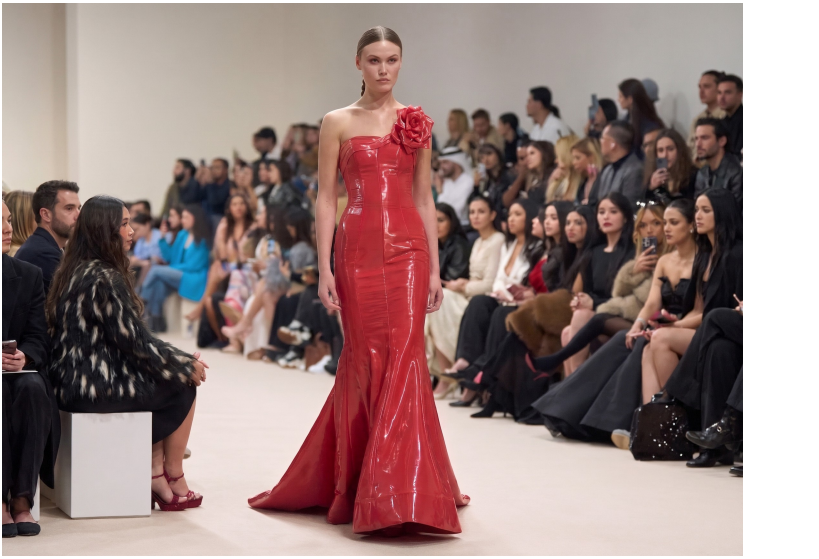
Dubai — Michael Cinco Dramatic couture and intricate embellishment capture Dubai's appetite for statement-making luxury
The opportunity is significant. Dubai's retail environment, international connectivity and access to consumers across the Gulf,
Asia, Europe and Africa can help designers reach audiences beyond their home markets.
But a fashion capital requires more than impressive venues
and glamorous front rows. Its long-term credibility depends on developing
talent, attracting buyers, strengthening production capabilities and building
brands that remain commercially successful after the runway lights fade.
Dubai's challenge is to turn visibility into an enduring
creative economy. Its greatest achievement would not be to become another
Paris, but to establish a fashion identity that could only have emerged in
Dubai.
Seoul: When culture becomes fashion's most powerful accessory
South Korea's global cultural
influence has created new pathways for designers to reach international
audiences.
If Dubai illustrates the commercial possibilities of
luxury, Seoul demonstrates how culture can become an engine of fashion
influence.
South Korea's global reach through music, film, television
and beauty has helped bring Korean aesthetics to audiences around the world.
Fashion is a natural extension of that cultural presence, with clothing
functioning as both personal expression and a visible connection to a much
wider creative movement.
Seoul's contemporary style is frequently associated with
experimentation: unexpected proportions, sharp tailoring, expressive streetwear
and a willingness to blur the boundaries between luxury and everyday dressing.
The personalities and labels
shaping the conversation
Designer Woo Young-mi, founder of the menswear label
Wooyoungmi, has helped establish Korean design on the international fashion
circuit. Her work offers a reminder that Korean fashion's influence did not
begin with the latest viral trend; designers have been building international
reputations for years.
Contemporary labels and emerging designers now operate in
a cultural environment where a runway look, celebrity appearance or social
media collaboration can introduce a brand to consumers thousands of kilometers
away.
Seoul Fashion Week reinforces that connection between
creativity and commerce. Organized by the Seoul Metropolitan Government, it
brings together designer presentations, trade events, buyers and media. Its
February 2026 edition recorded US$7.54 million in order consultations, with 99
buyers from 23 countries participating. These consultations are not the same as
completed sales, but they provide a tangible indication of international
business interest.
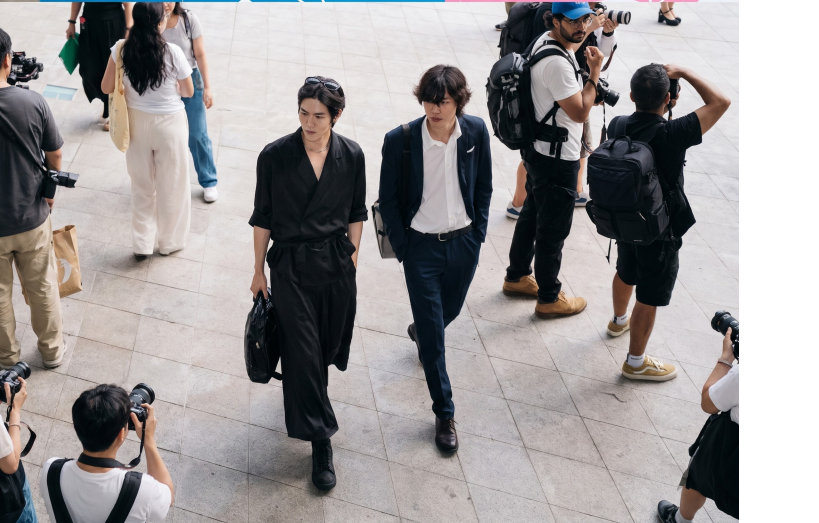
Seoul — Street style Experimental tailoring and personal styling illustrate the city's distinctive contemporary fashion language.
The city's fashion identity also benefits from its
distinctive urban environment. Dongdaemun Design Plaza, with its futuristic
architecture, has become a recognizable setting for fashion events, while
Seoul's neighborhoods provide a constantly evolving backdrop for street style.
Yet visibility is not the same as lasting commercial
success. The challenge is to translate cultural attention into international
distribution, loyal customers and design identities that survive changing
trends.
Seoul's lesson is that popular culture can open the door
to global fashion. Creativity, business discipline and consistent quality
determine whether a brand can stay in the room.
Mumbai: The luxury of knowing where you come from
Indian craftsmanship offers
contemporary fashion a vocabulary that cannot be replicated by aesthetics
alone.
Mumbai brings a different strength to the conversation: a
fashion industry closely connected to cinema, couture, entrepreneurship and
India's extraordinary textile traditions.
Embroidery, weaving, embellishment and hand finishing are
not merely decorative details in Indian fashion. They represent generations of
specialist knowledge, regional techniques and skilled labor. In the hands of
contemporary designers, these traditions can move beyond ceremonial clothing
and enter new conversations about modern luxury.
Manish Malhotra and the cinematic
imagination
Few designers illustrate the relationship between fashion
and Indian popular culture as clearly as Manish Malhotra. He began his career
in costume design for Hindi cinema before building a wider fashion business,
bringing a cinematic sensibility to contemporary Indian occasionwear and
couture.
His work combines dramatic silhouettes, intricate
embroidery, rich textiles and a distinctive understanding of glamour. It also
illustrates how a designer can build a brand by connecting fashion to a wider
cultural identity rather than treating clothing as an isolated product.
The broader Indian fashion ecosystem includes designers
working across different aesthetics and business models. Rahul Mishra, for
example, is recognized internationally for connecting haute couture with
traditional craft and the work of artisan communities. His label's
participation in the Paris haute couture calendar illustrates how Indian
craftsmanship can operate within established international fashion
institutions.
Mumbai's influence also extends beyond the runway. Its
film industry, luxury retail market, celebrity culture and network of creative
businesses help shape how Indian fashion is produced, presented and consumed.
India's fashion institutions operate across several cities
rather than within Mumbai alone. The Fashion Design Council of India, for
example, supports designers nationally, while Lakmé Fashion Week has a presence
in both Mumbai and New Delhi.
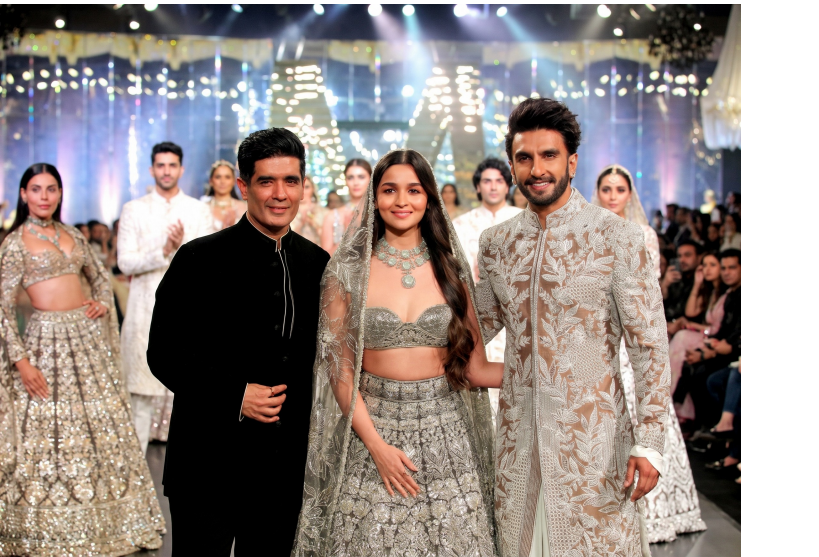
Contemporary Indian couture brings traditional embroidery, elaborate textiles and cinematic glamour together.
The opportunity is not simply to export traditional
aesthetics. It is to reinterpret them: handwork translated into contemporary
eveningwear, regional textiles incorporated into modern tailoring, and
artisanal techniques used to create collections for international customers
without losing their cultural meaning.
That opportunity also carries a responsibility.
Craftsmanship should not become a marketing story detached from the people who
create it. Sustainable growth requires fair commercial relationships,
recognition of specialist skills and a commitment to keeping artisans central
to the value chain.
In an industry increasingly attentive to provenance and
the human story behind a product, Mumbai's connection to India's wider craft
traditions offers a powerful source of differentiation.
Is Paris losing its crown?
Not necessarily. And perhaps that is the wrong question.
Paris retains an exceptional position in the global luxury
industry, supported by historic fashion houses, established couture
institutions, influential showrooms and generations of creative expertise.
The city's authority is also institutional. French haute
couture is a protected designation governed by specific criteria and an
approval process, while Paris Fashion Week remains a major meeting point for
designers, buyers, press and international fashion businesses.
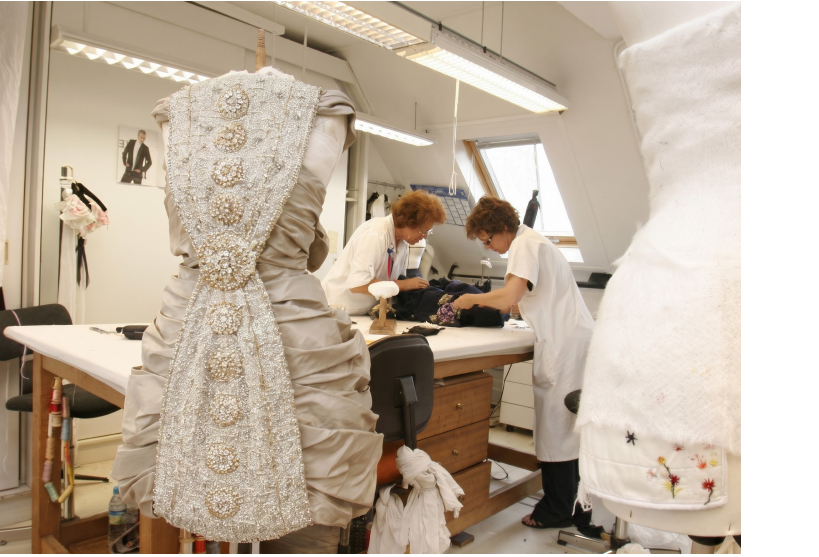
Inside the atelier, precision and hand craftsmanship demonstrate why Paris retains its historic authority.
That heritage cannot simply be displaced by the arrival of
new competitors.
What is changing is the assumption that one city must
define the entire conversation.
Fashion is becoming a network of interconnected creative
economies, each with its own audiences, strengths and ambitions. A designer
might develop a collection in Mumbai, build an international following through
Seoul's digital culture, introduce a luxury line to buyers in Dubai and seek
recognition through Parisian institutions.
These cities can compete, but they can also reinforce one
another.
The future may belong not to the city that defeats all the
others, but to those that understand how to connect creativity with commerce,
and local identity with global demand.
The new currency of fashion: Influence
For decades, fashion authority was concentrated among a
relatively small group of editors, designers, buyers and established
institutions. Their decisions helped determine which labels received attention
and which collections entered the wider cultural conversation.
That system has not disappeared. It now operates alongside
a broader network of influence that includes entrepreneurs, celebrities,
digital creators, private investors and consumers.
Fashion weeks remain important, but their value
increasingly depends on what happens beyond the runway: the partnerships
formed, the orders placed, the audiences reached and the businesses that
emerge.
For emerging fashion capitals, this creates an opening.
They do not need to reproduce every institution that made Paris successful.
They need to identify what their own markets can offer, invest in the people
who can deliver it and create the conditions for creative businesses to grow.
Dubai can connect luxury with international commerce.
Seoul can build on the relationship between culture and contemporary design.
Mumbai can demonstrate how craftsmanship and heritage create value in a modern
luxury economy.
Each offers a different answer to the same question: what
makes a fashion capital relevant in the twenty-first century?
The business behind the beauty
There is, of course, a less glamorous side to fashion
ambition.
Runway shows are expensive. Emerging designers need
capital, production expertise, reliable supply chains, experienced management
and access to customers. International recognition means little if a business
cannot deliver consistent quality or generate sustainable revenue.
The next generation of fashion capitals will therefore be
shaped as much by investors, manufacturers, retailers and business strategists
as by designers.
Opportunities extend into fashion technology, digital
retail, brand licensing, creative education, sustainable materials and
cross-border distribution. Regional designers can build businesses for
international markets without surrendering the identities that make their work
distinctive.
For Dubai, the opportunity extends beyond hosting
international fashion events. It includes helping promising regional labels
become internationally recognized businesses, attracting investment into
creative enterprises and strengthening the connections between designers,
buyers and global markets.
For Seoul, the challenge is to convert cultural visibility
into lasting commercial relationships and internationally established brands.
For Mumbai, it is to scale the value of its craft
traditions while ensuring that the people responsible for that craftsmanship
share in the industry's growth.
The cities that succeed will be those that treat fashion
as both an art and an industry.
A future with more than one center
Perhaps the most exciting prospect is not the end of
Parisian influence, but the expansion of fashion's imagination.
A new generation of consumers encounters styles,
traditions and creative ideas from across the world. Luxury can be European in
heritage, Middle Eastern in sensibility, Korean in contemporary expression or
Indian in craftsmanship. It can also combine all four.
This does not mean geography no longer matters. On the
contrary, place can be one of a brand's greatest assets. What is changing is
the recognition that excellence can emerge from many places, and that cultural
identity can be an international advantage rather than a limitation.
Dubai, Seoul and Mumbai are approaching this opportunity
from different directions. Their trajectories will depend on investment,
talent, infrastructure and the ability to build lasting creative institutions.
None is guaranteed to become a dominant global fashion capital, and each faces
its own challenges.
But all three are contributing to a broader transformation
in how fashion is made, marketed and understood.
Paris may remain one of fashion's most powerful symbols.
It no longer has to be the only destination that matters.
Perhaps that is the real revolution: not a new throne, but
a larger world of fashion in which more cities have the opportunity to define
what comes next.
The future of fashion will not be decided by geography
alone. It will be shaped by imagination, craftsmanship, cultural confidence and
the courage to build something the world has not seen before.
For a new generation of designers, Dubai, Seoul and Mumbai
are not simply places to watch. They are invitations to rethink where the next
great fashion story might begin.
VELVET MAGAZINE
Style. Culture. Influence.