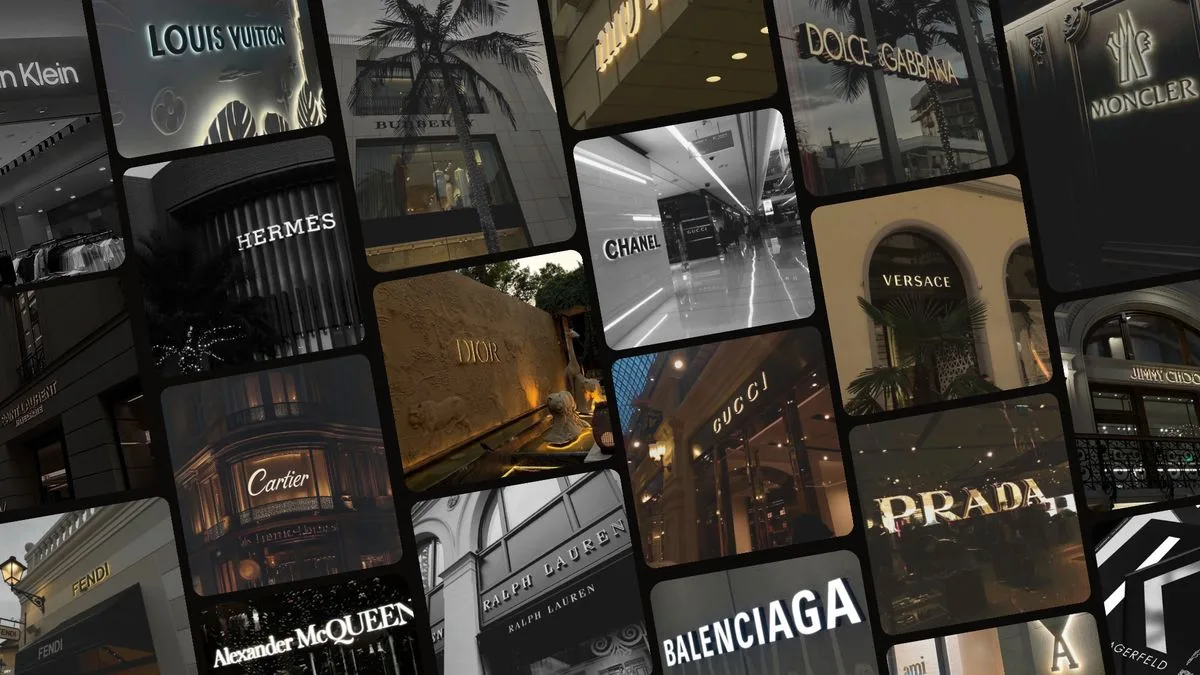
Bernard Arnault — LVMH Question: When luxury becomes globally accessible, what must remain inaccessible?
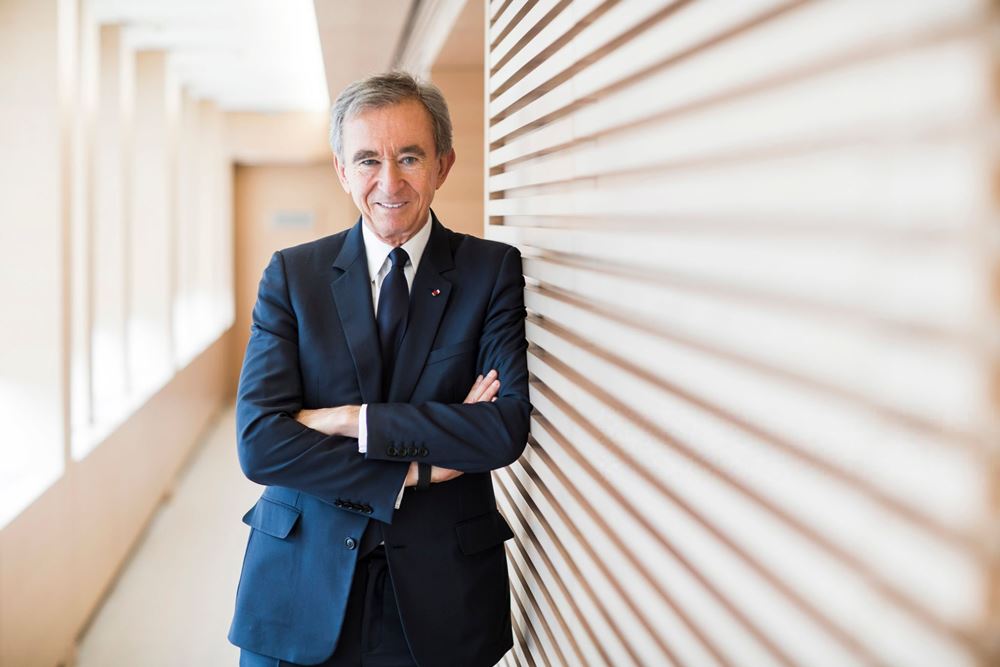
The broader LVMH strategy is especially relevant because the group is currently putting unusual emphasis on opening workshops, archives and historic sites to the public. Its October 2026 Journées Particulières involves 45 maisons and 71 venues across 13 countries, explicitly foregrounding nature, culture and craftsmanship.
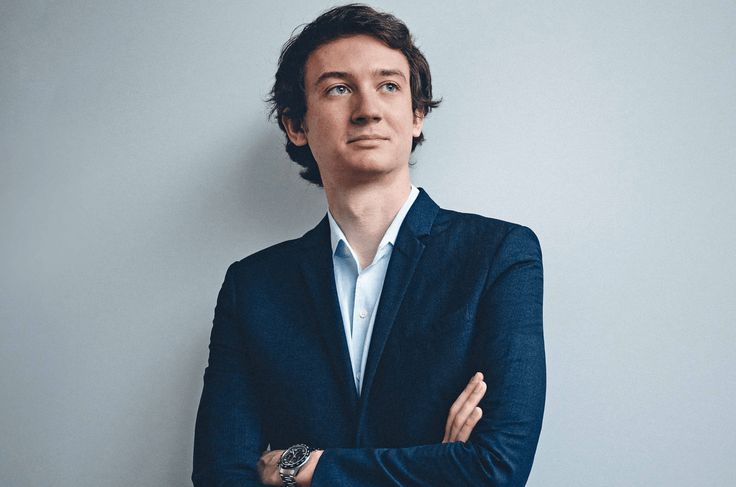
Frédéric Arnault — LVMH / Watches & Jewelry Question: Is the future luxury customer buying objects—or becoming a collector?
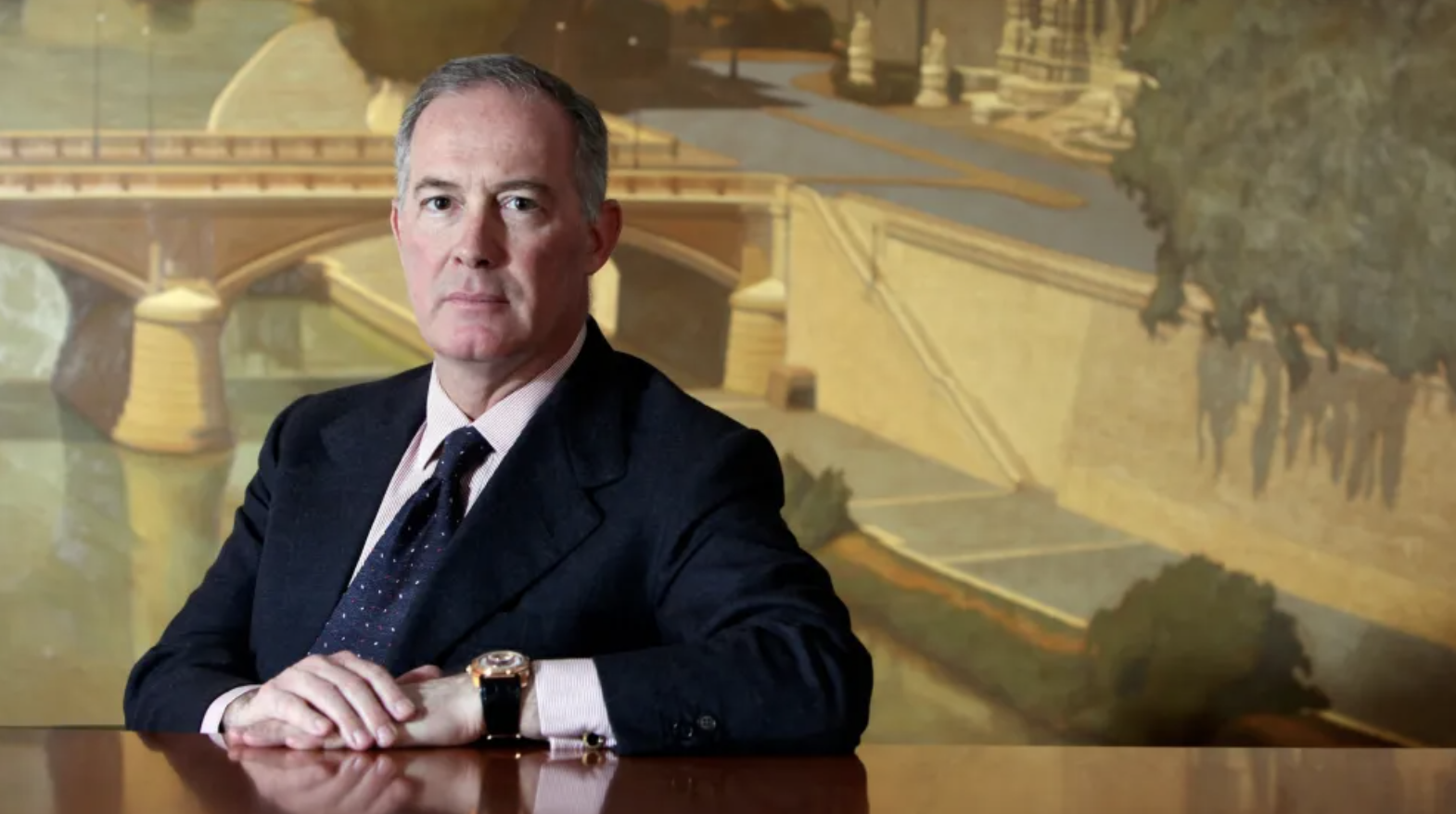
Francesco Trapani — luxury investor/industry veteran Question: What has the luxury industry misunderstood about today's wealthy consumer?
One independent luxury-business voice Ideally someone outside the major conglomerates who can answer the uncomfortable question:
Has luxury become too expensive for the value it delivers?
That question is particularly relevant because current industry research shows consumers scrutinizing value more closely.
2. Designers
Jonathan Anderson
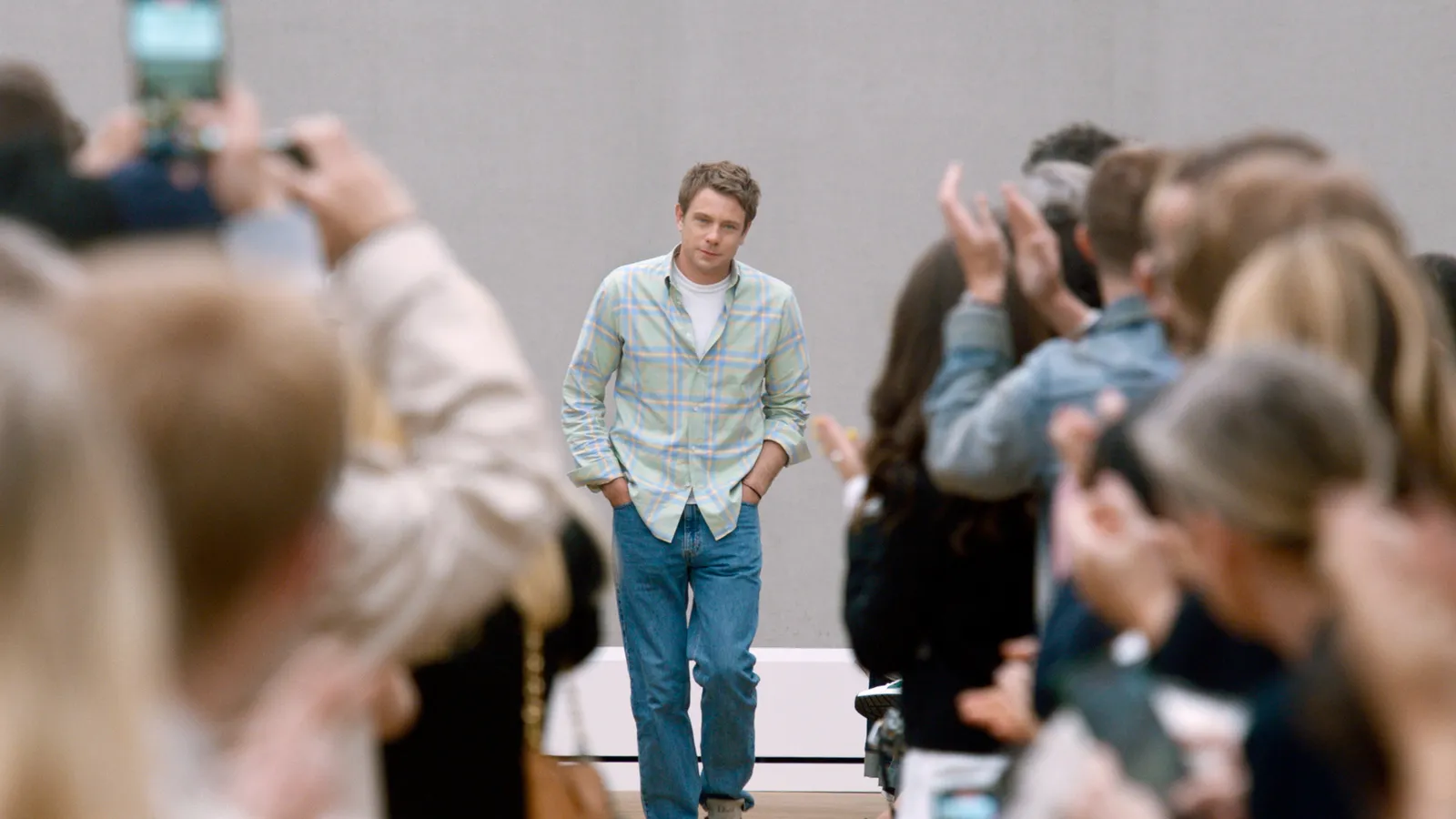
Question: Can craftsmanship still surprise us when AI can generate almost anything?
His perspective would be valuable because he sits at the intersection of fashion, art, design and cultural relevance.
Simone Bellotti
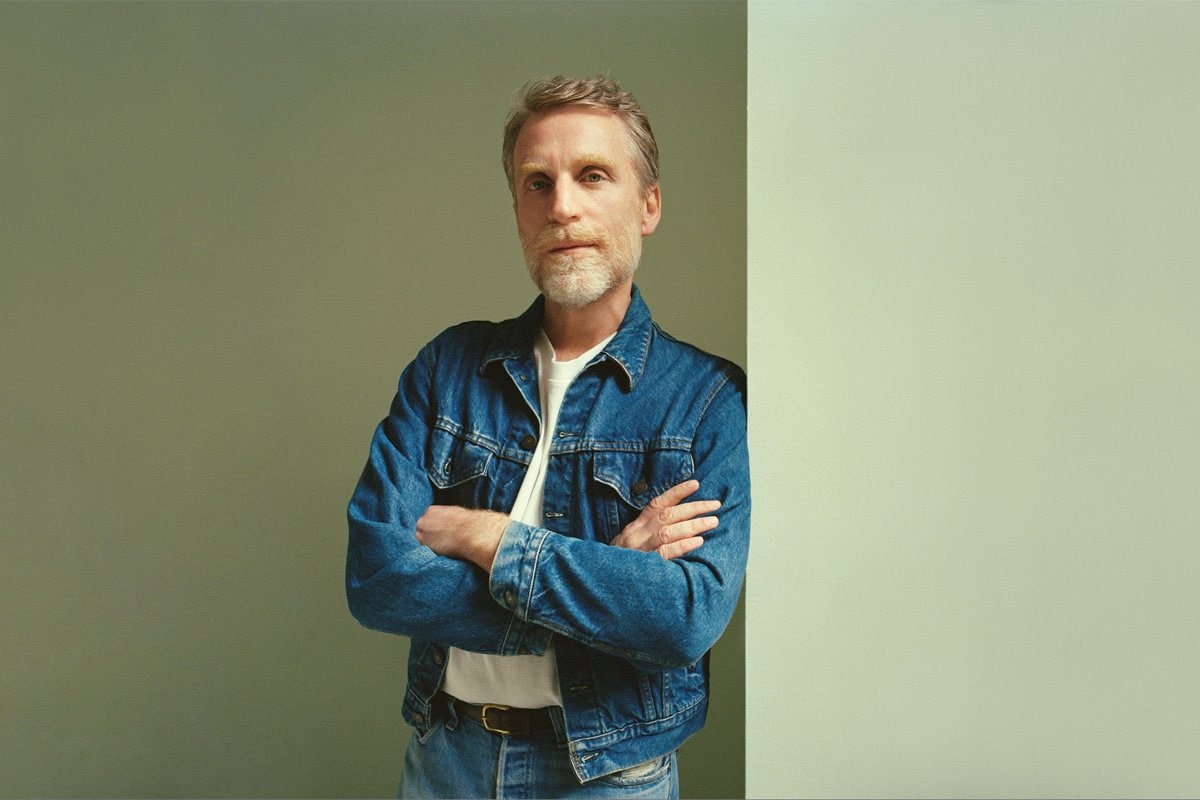
Question: What does elegance mean after the era of obvious status?
An independent couture or haute-fashion designer
Not necessarily the biggest name.
In fact, for this story I would actively seek someone whose work is small, highly specialized and difficult to reproduce.
Ask:
Would you rather make 100 perfect pieces or 10 extraordinary ones? Why?
That answer could become one of the article's most revealing passages.
3. Architects
Peter Zumthor
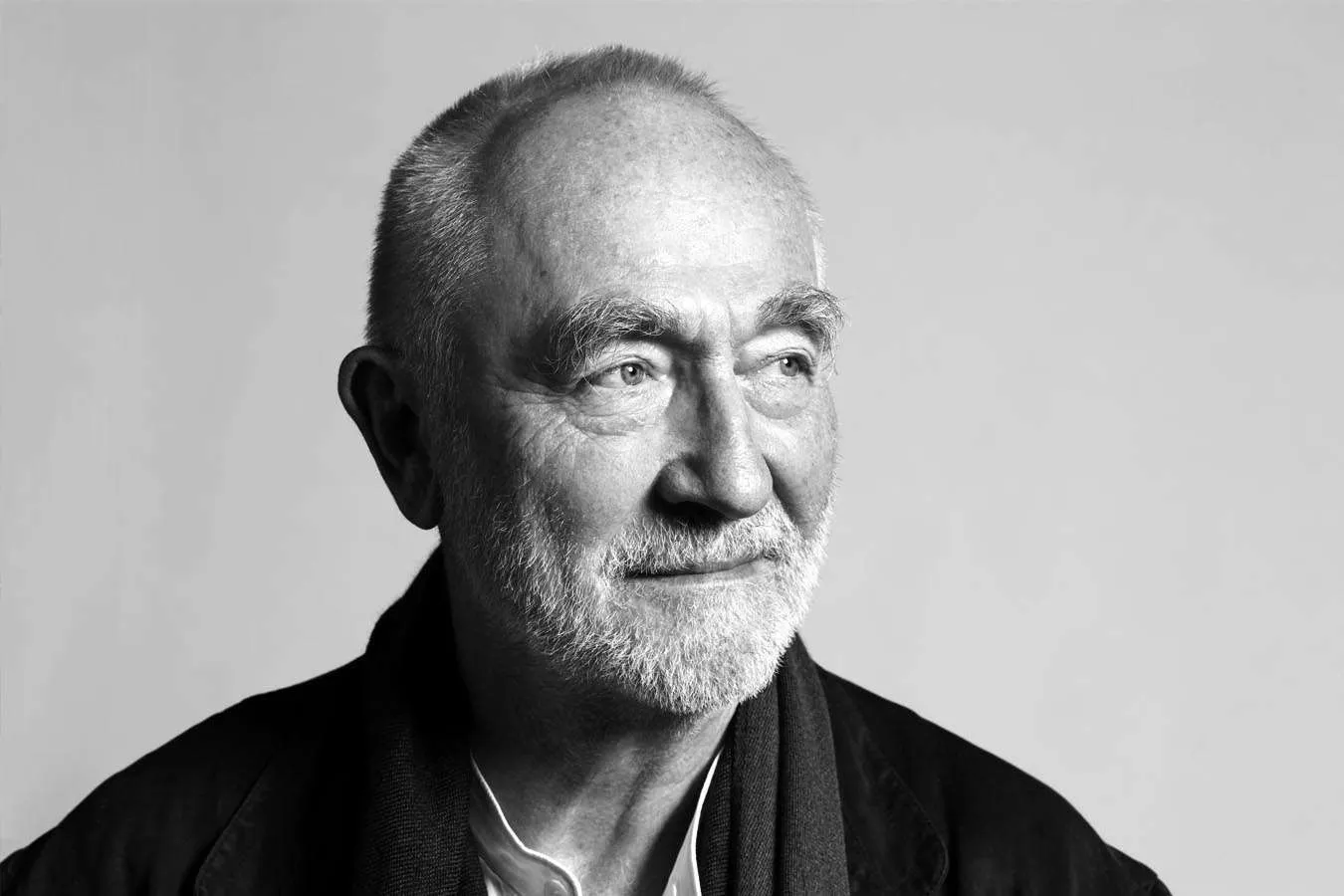
Question: Can architecture create a form of luxury that money cannot buy?
The subject: silence, materiality, landscape, light and permanence.
Peter Marino
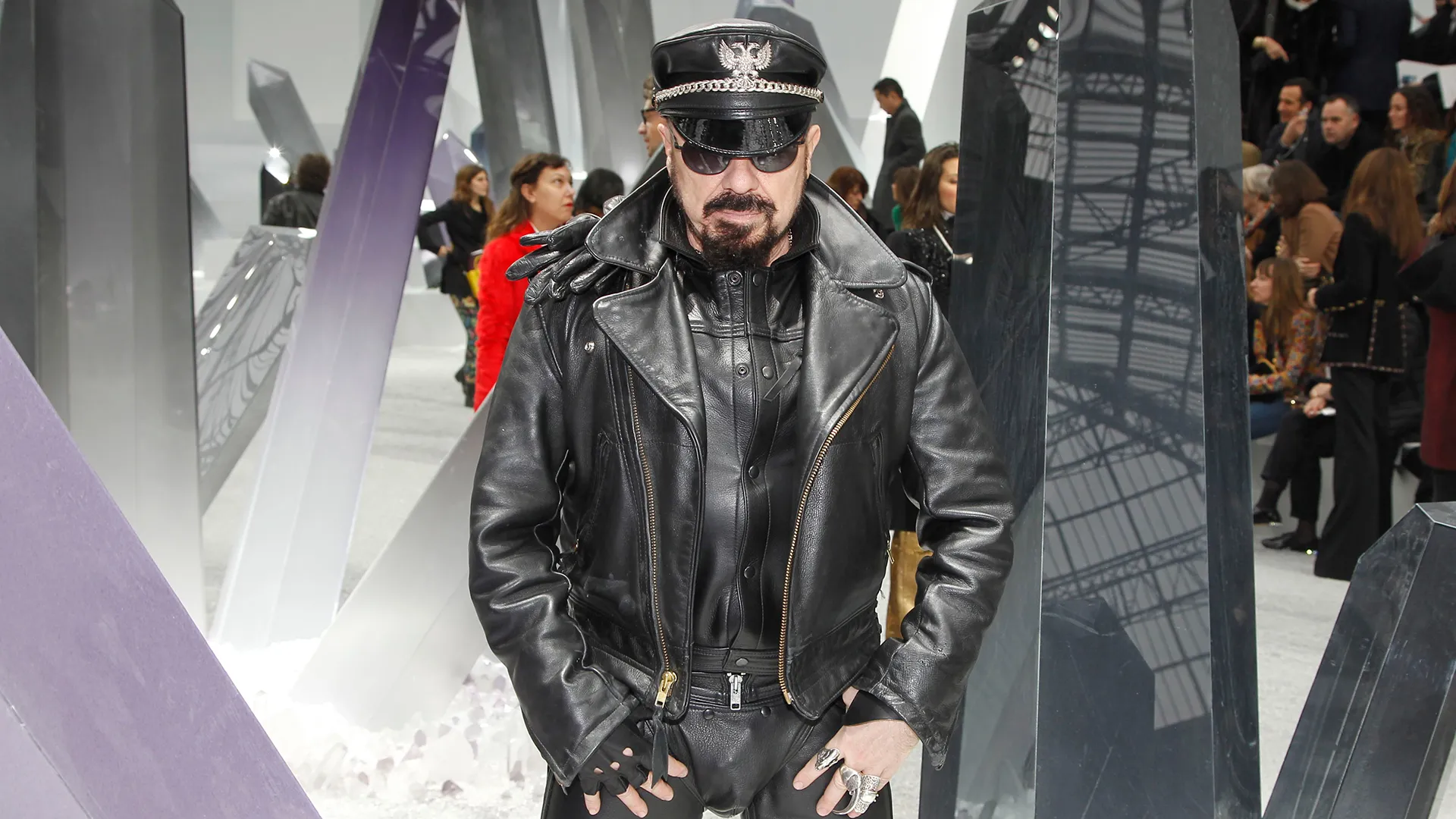
Question: What happens when luxury retail becomes architecture, art and culture rather than simply a place to sell things?
One emerging architect
I'd deliberately contrast an established master with a younger architect.
Ask both:
What is the first thing you remove when a client tells you they want something luxurious?
That is a wonderfully revealing question.
4. Collectors
This category could make the article exceptional.
Don't simply interview billionaires about what they own.
Interview people who understand why objects matter.
A major contemporary-art collector
Question: When you buy something worth millions, what are you actually buying?
A serious watch collector
Question: When did your collection stop being about watches and become about knowledge?
A design collector
Question: Can an object become more valuable because it has been lived with?
The collector section gives Merie Medici the opportunity to move the story away from corporate talking points and into something intimate.
5. Hoteliers & experience makers
This may be the most important category.
Current research shows the luxury market increasingly competing with travel, hospitality, wellness and cultural experiences for consumers' time and attention. Savills reports that 70% of luxury leaders identify experience-led luxury as the defining trend for 2026.
S
Savills
One major luxury-hotel CEO
Question: What can a hotel give a guest that money cannot simply purchase elsewhere?
A Belmond executive
This would be particularly interesting because LVMH's acquisition of Belmond can be interpreted as part of the broader move from luxury objects into hospitality and experiences. Knight Frank describes this as luxury following the consumer beyond the handbag or watch into the hotel, restaurant, spa and journey.
K
Knight Frank UK
A legendary independent hotelier
Ask:
What is the difference between expensive hospitality and extraordinary hospitality?
That distinction is central to the entire article.
6. Wealth advisers
This is where the story becomes genuinely different from a conventional fashion magazine article.
Ida Liu — HSBC Private Bank
She is particularly relevant to the story right now because she has been discussing how private banking is shifting from serving individuals toward advising entire families across generations, with family offices becoming increasingly important.
F
FN London
Question:
What do your wealthiest clients value that money can no longer solve?
And then:
Are the priorities of the next generation of wealthy families different from those of their parents?
That could produce one of the article's strongest passages.
A family-office adviser
Ask:
“What do people with $100 million worry about that people with $10 million don't?”
A next-generation wealth adviser
Ask:
“What does Gen Z inherit from the luxury culture of its parents—and what does it reject?”
The 10 questions I'd ask everyone
To create a genuinely cohesive cover story, I wouldn't give every interviewee an entirely different questionnaire.
I'd ask everyone some version of the same 10 questions.
1.
What is luxury to you?
2.
What is the one thing money cannot buy?
3.
Has luxury become too visible?
4.
Is exclusivity still important—or is meaning becoming more important?
5.
What makes something genuinely rare?
6.
Does craftsmanship become more valuable in the age of AI?
7.
Are today's wealthy consumers buying fewer things but better things?
8.
Is privacy now a greater status symbol than visibility?
9.
What will the luxury consumer of 2030 value that today's consumer doesn't?
10.
Complete this sentence: “The ultimate luxury is…”
That last question is the one I'd particularly protect.
You could run the answers as a beautiful visual interlude:
THE ULTIMATE LUXURY IS…
CEO: Time. Designer: Freedom. Architect: Silence. Collector: Knowledge. Hotelier: Privacy. Wealth adviser: Choice.
Then let Merie Medici interpret the contradictions.
The editorial structure I'd use
Rather than putting all the interviews into a conventional Q&A format, I'd weave them through the narrative.
COVER
THE NEW DEFINITION OF LUXURY
When money can buy almost anything, what remains truly rare?
MERIE MEDICI
Opening — 700 words
The existing opening of the essay stays largely intact.
But I would make it more cinematic and reported.
Start somewhere physical:
A watchmaker's bench.
Or:
A private dining room after the guests have left.
Or:
An empty hotel suite at dawn.
Then introduce the central paradox.
PART I — THE END OF EXPENSIVE
1,000 words
Luxury's old equation.
Logos.
Visibility.
Price.
Status.
Then introduce the new consumer.
Use CEO + McKinsey/Deloitte data here. Current research suggests value, distinctiveness, experience and cultural relevance are increasingly important to luxury consumers.
D
Deloitte
+1
PART II — THE HUMAN HAND
700 words
Craftsmanship.
AI.
Artisans.
Designers.
This is where LVMH's October 2026 craftsmanship initiative becomes a beautiful contemporary case study: its 2026 Journées Particulières opens workshops, archives and manufacturing sites, emphasizing the people and skills behind luxury.
L
LVMH
Pull quote:
“The more technology can reproduce, the more valuable the irreplaceable becomes.”
PART III — THE LUXURY OF TIME
700 words
Collectors.
Watchmaking.
Slow travel.
Handmade objects.
Architecture.
This section should feel almost philosophical.
PART IV — THE INVISIBLE FORTUNE
700 words
Privacy.
Family offices.
Wealth advisers.
Personal security.
Private travel.
Time.
The central question:
What does extreme wealth look like when its greatest benefit is the ability not to be seen?
PART V — EXPERIENCE IS NOT ENOUGH
600 words
This is where I would deliberately challenge the fashionable idea that everyone simply wants "experiences."
Knight Frank's research offers an important nuance: wealthy consumers aren't necessarily abandoning objects for experiences; rather, more categories are competing for their limited attention, and differentiation becomes harder as wealth increases.
K
Knight Frank UK
That's a much more sophisticated argument.
The future isn't necessarily “experiences over things.”
It is:
meaning over abundance.
The final page
I'd end with the collector question.
Not with a statistic.
Not with a CEO.
Not with a prediction.
With a human being.
Perhaps a collector sitting in a room surrounded by objects accumulated over decades.
And Merie asks:
“If you lost everything tomorrow, what would you try to save?”
The answer becomes the final paragraph.
That would give the story emotional resolution.
The visual package
I'd make this an unusually tactile cover story.
Main photography
One extraordinary portrait of Merie Medici's central subject, ideally someone whose idea of luxury contradicts conventional expectations.
Secondary photography
Artisan's hands
An unfinished object
Empty architectural space
A collector's private library
Hotel room before arrival
Watchmaker's bench
Archival material
A landscape
A single extraordinary object
The visual language should not look expensive.
It should look rare.
That distinction matters.
Six possible cover lines
THE NEW DEFINITION OF LUXURY
When money can buy almost anything, what remains truly rare?
THE AGE OF ENOUGH
Why the world's most sophisticated consumers are learning to want less.
WHAT MONEY CAN'T BUY
Time. Privacy. Knowledge. Craft. The new hierarchy of luxury.
THE END OF SHOWING OFF
How wealth is becoming quieter, stranger and more personal.
THE RAREST THING IN THE WORLD
Why time, taste and authenticity are becoming the ultimate status symbols.
BEYOND WEALTH
Merie Medici investigates what luxury means when money is no longer enough.
My choice for the cover would be THE RAREST THING IN THE WORLD.