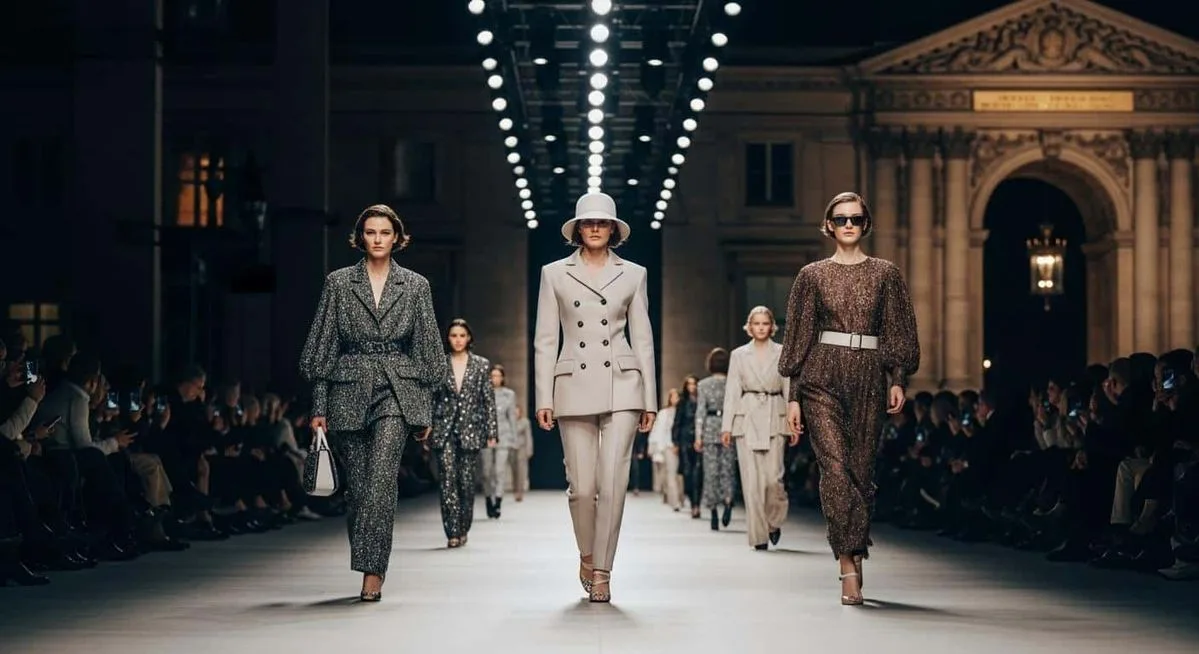
There is a particular electricity that arrives with Fashion Week. For a few extraordinary weeks each season, fashion's most influential cities become stages—and the world's great houses take their place under the spotlight.
New York brings its unmistakable energy. London experiments. Milan celebrates craftsmanship and glamour. Paris turns fashion into theatre.
And at the center of it all are the brands.
From the enduring codes of Chanel to the audacious spirit of Balenciaga, from Prada's intellectual minimalism to Gucci's Italian extravagance, these houses do more than present clothes. They create a mood, establish a visual language and, sometimes, define an entire season.
## Chanel — The Eternal Icon
Some fashion houses follow trends. Chanel creates them.
The Parisian maison has built an extraordinary legacy around a vocabulary of its own: tweed jackets, quilted handbags, pearls, monochrome palettes and effortless French sophistication.
Yet Chanel's strength has always been its ability to evolve without losing its identity. Each collection becomes a conversation between heritage and modernity, preserving the codes that made the house legendary while giving them a new attitude.
At Fashion Week, Chanel is never simply a show. It is an event.
## Dior — The Poetry of Couture
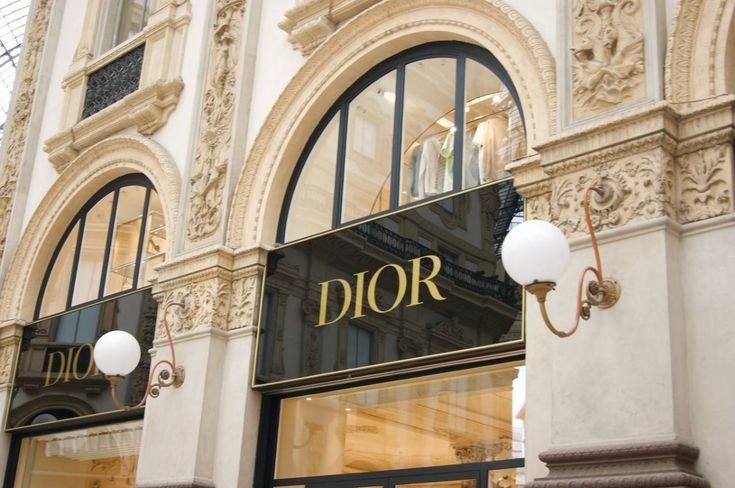
Dior occupies a rare position in fashion: deeply rooted in history yet constantly looking forward.
The house's legacy began with Christian Dior's revolutionary New Look, which transformed the silhouette of post-war fashion. Today, Dior continues to explore the relationship between femininity, architecture and craftsmanship.
Its runway collections often feel cinematic—beautifully constructed worlds where tailoring, embroidery and movement become part of a larger story.
Dior does not simply dress a woman. It creates an atmosphere around her.
## Prada — Fashion With an Intellectual Edge
Prada has a different kind of allure.
There is something deliberately unexpected about the Milanese house. Its collections can take familiar garments and make them feel strange, modern and suddenly desirable.
This ability to challenge conventional ideas of beauty has made Prada one of fashion's most influential voices.
Prada doesn't always tell you what to think.
It makes you look again.
## Louis Vuitton — The Art of Spectacle
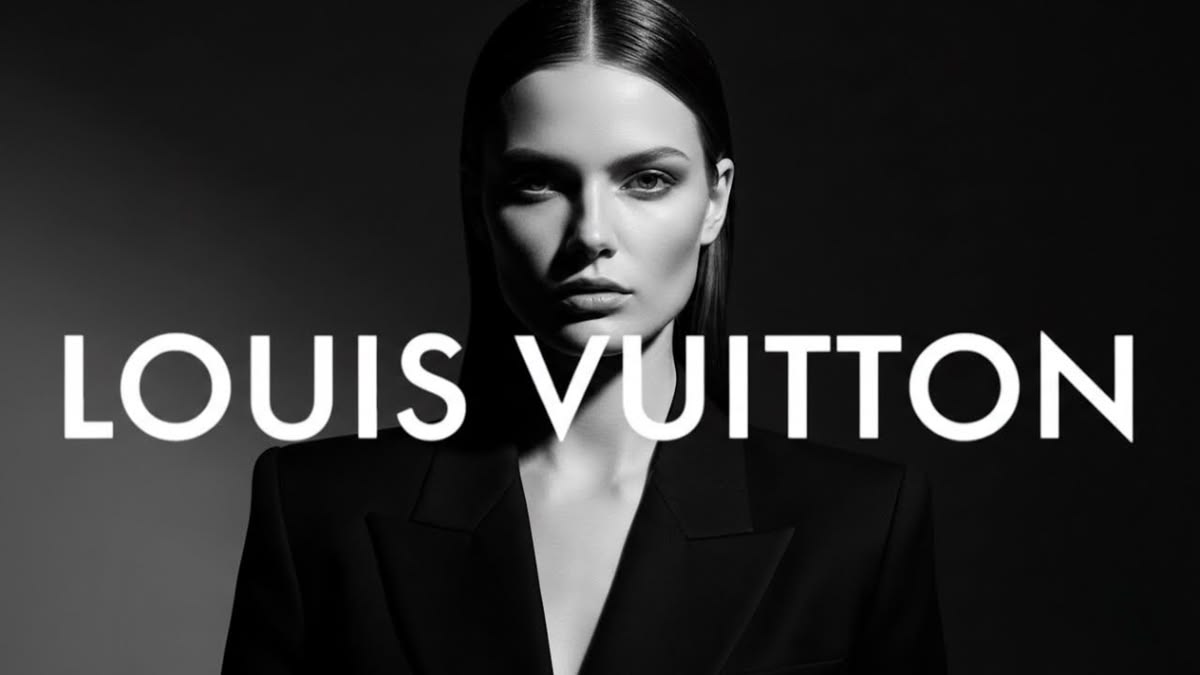
If Fashion Week is theatre, Louis Vuitton knows how to build the stage.
The French luxury house has become synonymous with ambitious presentations that bring together fashion, architecture, art and history. Its collections often travel between centuries, combining references to the past with an unmistakably futuristic sensibility.
The result is fashion designed not only to be worn, but to be remembered.
## Gucci — Italian Glamour, Rewritten
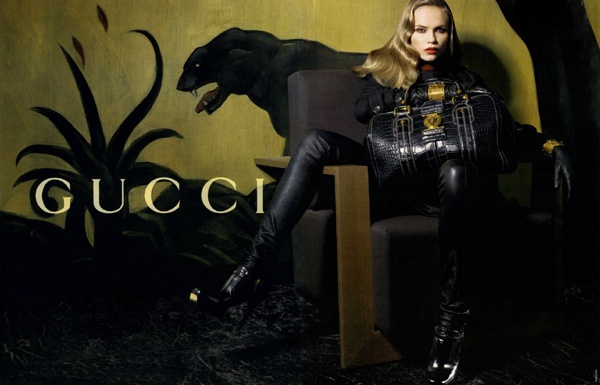
Gucci has always understood the seductive power of fashion.
Its world is one of rich textures, expressive accessories, distinctive tailoring and unmistakable Italian flair. Over the years, the house has repeatedly reinvented its identity while maintaining an ability to create instantly recognizable images.
At Milan Fashion Week, Gucci represents more than luxury. It represents fashion as fantasy.
## Miu Miu — The New Cool

Few brands have captured contemporary fashion culture quite like Miu Miu.
Playful, youthful and intentionally imperfect, the brand has become a favorite among a generation that approaches luxury differently. Its styling mixes polished pieces with everyday clothing, creating combinations that feel spontaneous rather than overly constructed.
Miu Miu's influence extends far beyond the runway. Its collections frequently become references for street style, social media and the broader conversation around what modern femininity looks like.
## Balenciaga — Breaking the Rules
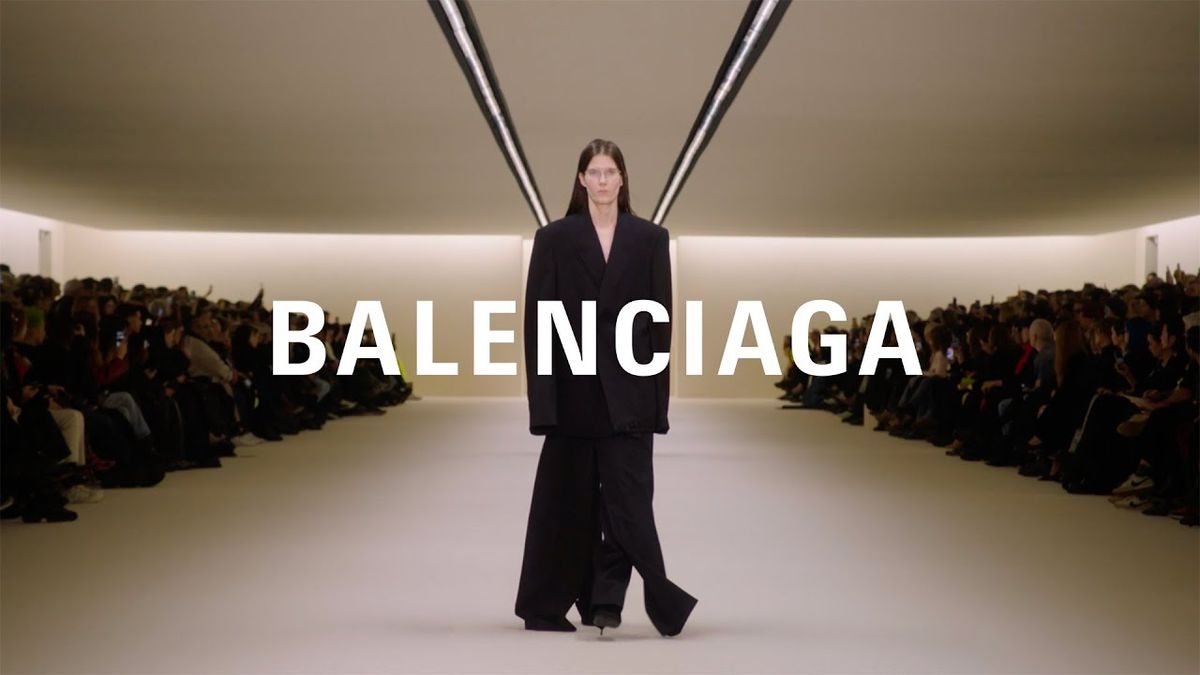
Balenciaga has made disruption part of its identity.
Oversized silhouettes, unexpected proportions and streetwear influences have challenged traditional ideas of what luxury should look like. The house's shows frequently generate conversation because they refuse to be predictable.
In an industry built on constant change, Balenciaga has made provocation its signature.
## Saint Laurent — The Seduction of Simplicity
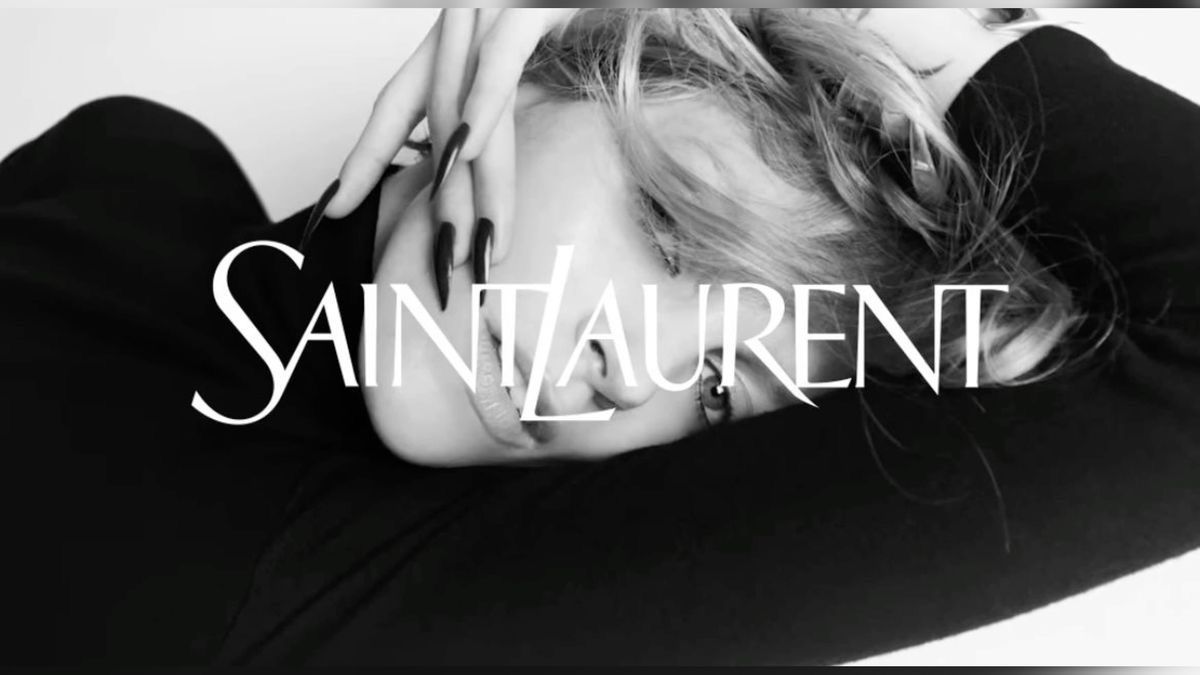
There is power in a beautifully cut silhouette.
Saint Laurent understands that better than most. Tailoring, leather, strong shoulders and eveningwear form the foundation of a visual identity that is simultaneously Parisian, sensual and confident.
Its clothes rarely need excessive explanation. The attitude is already there.
## Burberry — A New British Classic
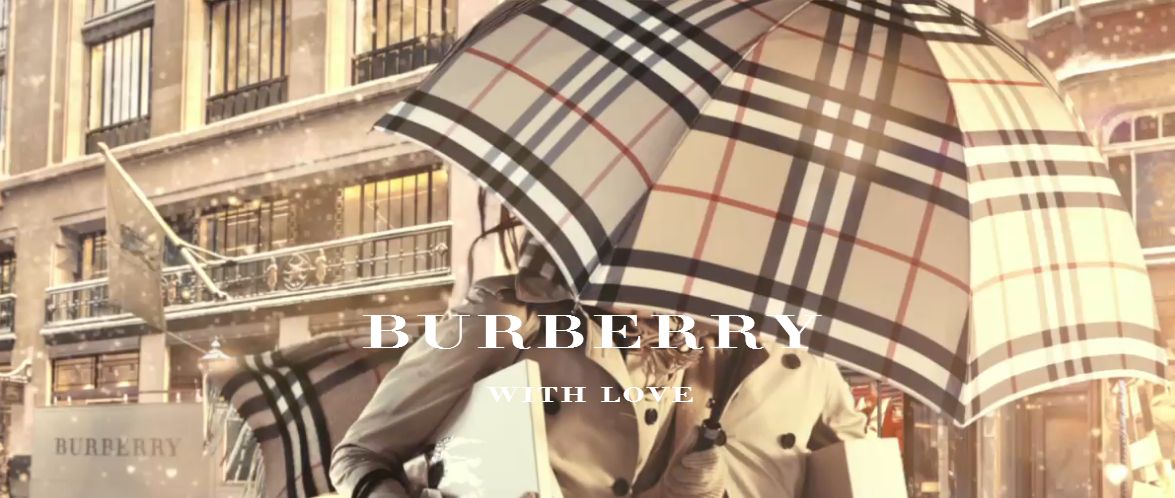
Few pieces are as closely associated with a country as the Burberry trench coat is with Britain.
But Burberry's story is not frozen in heritage. The house continues to reinterpret British identity for a new generation, balancing its historic outerwear codes with the energy of contemporary London.
Its presence during London Fashion Week reflects the city's ability to make tradition feel modern.
## Ralph Lauren — An American Fantasy
Ralph Lauren created more than a brand. He created a dream.
The world of Ralph Lauren is filled with polished tailoring, country estates, sportswear, evening glamour and an idealized vision of American life.
Its enduring appeal comes from consistency. While fashion changes every season, the Ralph Lauren universe remains recognizable—and that timelessness has become its greatest luxury.
## Coach — New York, Reimagined
Coach represents the younger, more playful face of American fashion.
Its roots in leather craftsmanship remain central, but contemporary collections have embraced a distinctly New York sensibility: energetic, nostalgic, youthful and unafraid to mix high fashion with everyday culture.
It is luxury with attitude—and attitude is something New York has never lacked.
## The New Fashion Capitals
The traditional fashion capitals still command enormous influence, but the fashion map is changing.
Seoul, Tokyo, Copenhagen, Mumbai, Shanghai, São Paulo and Dubai are developing increasingly influential fashion communities, while designers from Africa, the Middle East, Asia and Latin America are bringing new perspectives to the international stage.
The result is a fashion world that feels less centralized and far more diverse.
The future does not belong to one city.
It belongs to everywhere.
## More Than a Runway
The most powerful fashion houses understand that a collection is only the beginning.
The runway creates the image. Celebrities amplify it. Editors interpret it. Social media transforms it. Consumers ultimately decide whether it becomes a trend.
That is why Fashion Week remains so important.
It is where a sketch becomes a silhouette, a silhouette becomes an image, and an image can become a cultural phenomenon.
The clothes may change every season. The names may change. The creative directors may change.
But the ambition remains the same: *to make us look, to make us feel, and ultimately, to make us want.*
That is the enduring magic of Fashion Week.